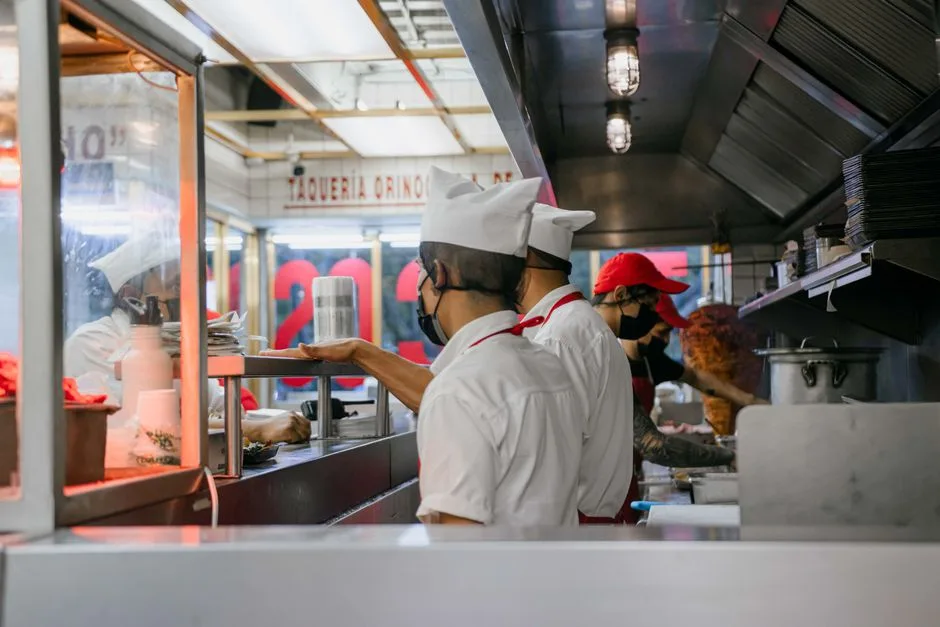
Hood Cleaning,
Done Right
Restaurant hood cleaning in Egg Harbor Township, NJ that meets fire code and keeps health inspectors satisfied.
Get a Free Quote for Your Kitchen
Tell us about your system and we will get back to you within one business day with a quote. No commitment required.
- NFPA 96 compliant cleaning with signed documentation
- After-hours scheduling so you don't lose a shift
- Service report ready for fire marshal and insurance files
- Serving Egg Harbor Township and the Atlantic County shore area
How a Cleaning Visit Works
Most visits are scheduled after service hours so your kitchen is back in operation the next morning.
Schedule
Call or text to book. We confirm the date, arrival window, and what system components will be cleaned. You get a written scope before we arrive.
We Clean
Crew arrives after your last service. We lay protective covers, degrease from the hood down to the fan, and dispose of all collected grease on-site.
You Get Documentation
At the end of every visit you receive a signed service report and certificate showing the date cleaned, areas covered, and technician name — ready for your next inspection.
Kitchen Exhaust Cleaning You Can Schedule and Forget
Egg Harbor Township Restaurant Hood Cleaning handles the full exhaust system — hood, ducts, fan, grease trap, and filters. One call covers your entire code compliance schedule.
Our Services
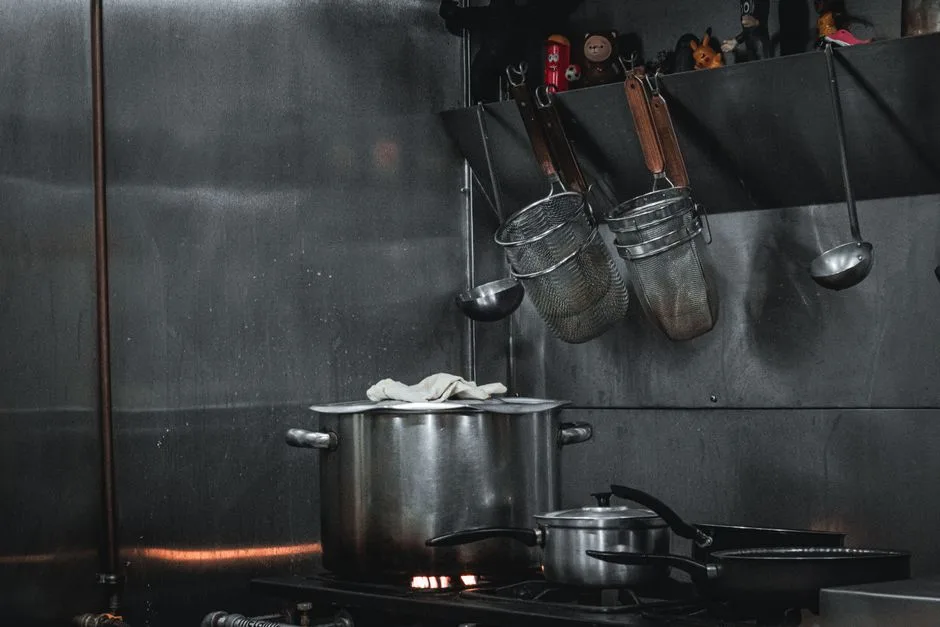
Hood Cleaning
Full degreasing of hood, baffles, and interior plenum. Removes the grease load that causes kitchen fires.
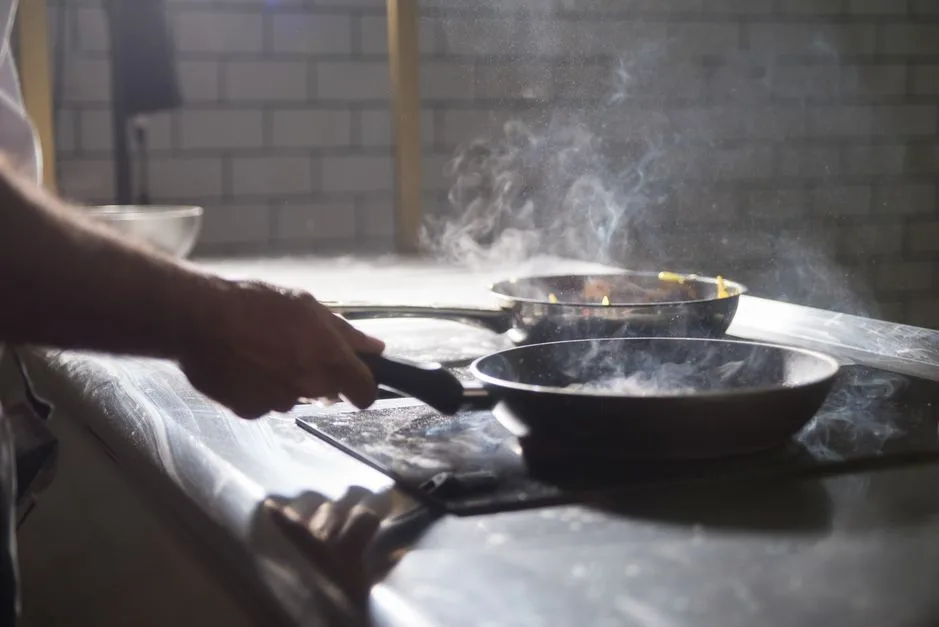
Exhaust Fan Cleaning
Rooftop fan blades, motor housing, and containment tray cleaned to restore proper airflow.
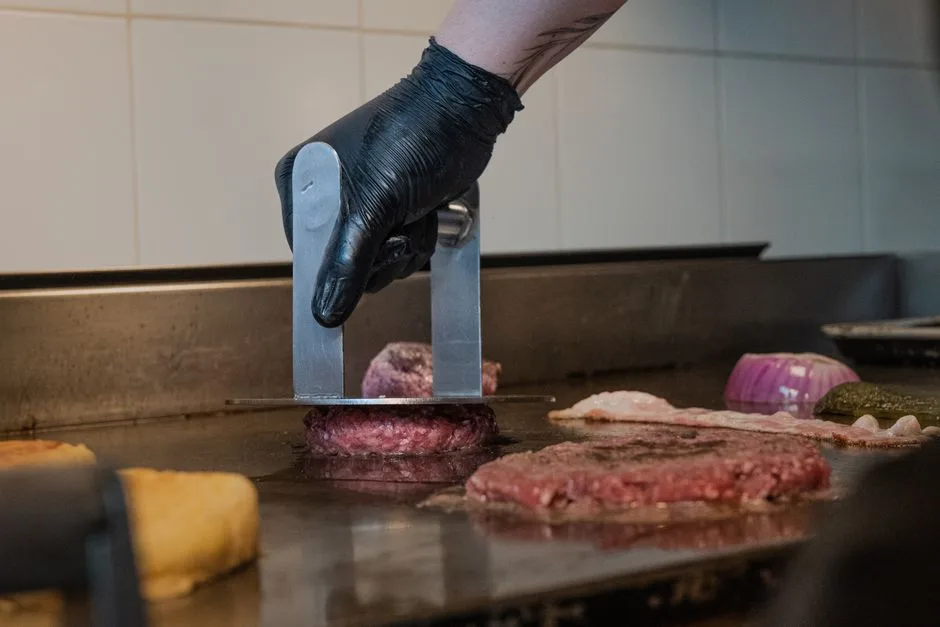
Grease Trap Cleaning
Pump-out and clean to prevent backups, odors, and code violations.
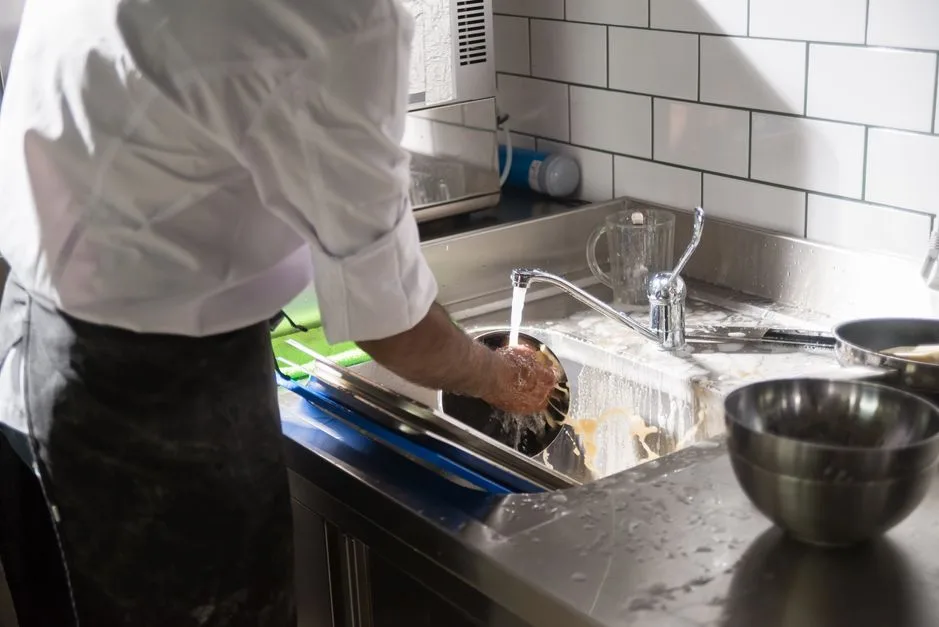
Filter Exchange
We swap dirty baffle filters for clean ones. No waiting, no downtime — done on your schedule.
Frequently Asked Questions
How often does a restaurant hood need to be cleaned in New Jersey?
NFPA 96 sets the minimum frequency based on cooking volume and fuel type. Most restaurants in Egg Harbor Township running grills, fryers, and flat tops need quarterly cleaning. High-volume kitchens — wok stations, charbroilers, and anything running near-continuous service for the casino corridor crowd — typically need monthly service. Your local fire marshal sets the final requirement for your specific location.
What does an NFPA 96 compliant hood cleaning include?
A compliant cleaning covers the hood canopy, grease collection trough, baffle filters, accessible duct interior, and rooftop exhaust fan. The crew removes all accumulated grease and provides a signed service report documenting the date, areas cleaned, and technician name. That report is what Atlantic County fire officials ask for at inspection.
Do you serve restaurants outside of Egg Harbor Township?
Yes. We serve kitchens throughout Atlantic County and the surrounding South Jersey shore area — including Hammonton, Galloway, Somers Point, Absecon, Northfield, and Atlantic City. Most jobs are within a short drive of the Black Horse Pike and Tilton Road corridors.
What happens if a kitchen hood fails a fire inspection in NJ?
A failed inspection typically results in a notice of violation and a deadline to correct the deficiency. If grease buildup is the issue, a cleaning and re-inspection is required before the kitchen can be cleared. In serious cases the fire marshal can order the kitchen closed until the hazard is corrected. Having current service documentation on file is the easiest way to avoid that outcome.
Can you clean a grease trap and the hood system in the same visit?
Yes. Combining hood cleaning and grease trap pump-out in a single after-hours visit reduces downtime and coordination. We bring the equipment for both services and can complete both in one night for most kitchens.
Why Restaurant Hood Cleaning Matters in Egg Harbor Township
Restaurant hood cleaning exists because grease is flammable and exhaust hoods are built to collect it. Every ticket a kitchen fires sends grease-laden vapor up into the hood, where it cools and sticks to the canopy, the baffles, the duct walls, and eventually the rooftop fan. Left alone, that residue does not stay put — it thickens into a fuel source sitting directly above an open flame or a hot fryer line.
Egg Harbor Township runs a busier kitchen economy than its size might suggest. The Black Horse Pike and Tilton Road corridors are lined with chain restaurants, diners, and hotel food service, and the township's position next to Atlantic City International Airport and the Atlantic City casino corridor keeps commercial kitchens running long hours year-round rather than on a summer-only shore schedule. More covers per week means faster grease accumulation, which means the cleaning interval your kitchen actually needs is often shorter than operators assume.
NFPA 96 is the national standard that sets minimum cleaning frequency for kitchen exhaust systems, and it is enforced locally by Atlantic County fire officials under the same framework the NJ Division of Fire Safety applies statewide. Kitchens running solid-fuel cooking or wok stations are typically looking at monthly cleaning; moderate-volume operations — burgers, fryers, grilled items — usually land on a quarterly interval. None of this is optional paperwork. Insurance carriers and health inspectors routinely ask for signed documentation proving the work happened on schedule, not just that it happened at some point.
A dirty hood is also a cost problem most operators do not connect to their utility bill. When the baffle filters load up with grease, the exhaust fan has to pull harder to move the same volume of air. That shows up as a hotter kitchen, higher energy draw, and a system more likely to underperform during a Friday dinner rush. Servicing the hood, baffles, duct, and fan together keeps airflow at the level the system was designed for.
When One Visit Should Cover More Than the Hood
Most Egg Harbor Township kitchens get better value from a full system cleaning — hood, duct, and exhaust fan — in the same visit rather than scheduling each component separately. If your kitchen is also on a grease trap pump-out schedule, we can combine that work into the same after-hours appointment so your line only loses one night, not two.
Filter exchange runs on a shorter, separate cycle for kitchens that saturate their baffles faster than a full degreasing schedule can keep up with. We swap in a clean set of filters, take the dirty ones for cleaning off-site, and repeat the cycle — no appointment slot lost waiting on parts.
Warning Signs Your Exhaust System Needs Attention Now
Waiting for a fire marshal visit to prompt a cleaning is a gamble. A few signs mean the system needs service before an inspector ever shows up.
Grease dripping or pooling along the hood edges is the clearest signal — if it is visible on the outside of the canopy, the interior is worse. Smoke that hangs over the line longer than it used to, with no change in cooking volume, points to a fan or duct that has lost airflow to grease buildup. Up on the roof, a dark stain spreading out from the exhaust fan housing means the grease containment tray has already overflowed.
Inside the building, a sulfur smell rising from floor drains — worse on warm days or after a busy shift — usually means a grease trap at or past capacity. It will not resolve on its own, and it gets worse with heat and volume. A grease trap pump-out is the only real fix.
What a Professional Cleaning Crew Should Deliver
A real hood cleaning is not a rag and a spray bottle. It starts with a pre-clean inspection to gauge grease load and flag any mechanical issues, followed by drop covers over your equipment before a commercial-grade hot degreaser goes on. The crew lets it dwell, then scrubs and pressure-rinses from the canopy down through the duct to the rooftop fan. Every ounce of grease collected leaves the property — none of it goes down a drain or onto the roof membrane.
At the end of the visit you get a signed service report with technician name, date, areas cleaned, and any deficiencies noted. File it with your health permit and fire suppression records — that report is exactly what gets requested if Atlantic County fire officials ask for proof of a compliant cleaning schedule.
When Not to Call Us
If the underlying system was installed wrong — undersized duct, a fan that cannot handle the BTU load, makeup air that never balanced — no amount of cleaning fixes that. We will tell you exactly what we find during inspection, but correcting mechanical or installation problems is HVAC contractor work, not cleaning work.
We also do not service residential range hoods. Our crew and equipment are built for commercial kitchen volume. If you are running a home kitchen or a small café with a recirculating hood, we are not the right call — a residential appliance technician is.
Cleaning requirements are governed by NFPA 96 and enforced locally by the NJ Division of Fire Safety. For grease trap requirements, refer to the EPA's FOG prevention guidance.
Who We Serve
Service Area
We are based in Egg Harbor Township and primarily serve kitchens along the Black Horse Pike and Tilton Road corridors, but if your restaurant is elsewhere in Atlantic County give us a call and we can tell you if it's within range. We also serve kitchens in nearby Hammonton — see Hammonton Restaurant Hood Cleaning for service in that area.
Ready to Schedule?
Call during business hours for a quote. We can usually schedule within the week for most locations in South Jersey.
Mon–Fri 7am–9pm · Sat 8am–9pm